What to Expect During a Commercial Foundation Inspection
People searching for what to expect during a commercial foundation inspection can rely on local contractors to assess foundation health, identify issues, and ensure building safety.
Understanding what to expect during a commercial foundation inspection can provide property owners with peace of mind and clarity about the condition of their buildings. This process typically involves a thorough assessment by experienced service providers who evaluate the foundation’s structural integrity, look for signs of damage or shifting, and identify potential issues that may require attention. Knowing what steps are involved can help owners prepare for the inspection and better understand the importance of regular evaluations to maintain the safety and stability of their commercial properties.
For those in the local area, engaging with skilled contractors who specialize in foundation inspections can ensure a comprehensive review tailored to the specific needs of commercial structures. These professionals use their expertise to identify problems early, which can save time and money in the long run. As you explore this topic, keep in mind that local service providers are equipped to handle these inspections efficiently, helping property owners make informed decisions about their buildings’ ongoing maintenance and stability.
- Commercial building owners - when signs of foundation issues arise, local contractors perform thorough inspections to assess structural integrity and identify potential problems.
- Property managers - during routine evaluations or before major renovations, service providers conduct foundation inspections to ensure stability and safety.
- Business owners - if there are noticeable cracks or uneven floors, local pros evaluate the foundation to determine if repairs are needed.
- Real estate investors - prior to purchasing or selling a commercial property, inspectors assess the foundation’s condition to inform decision-making.
- Construction professionals - during new construction or renovations, local contractors inspect foundations to verify compliance and stability before proceeding.
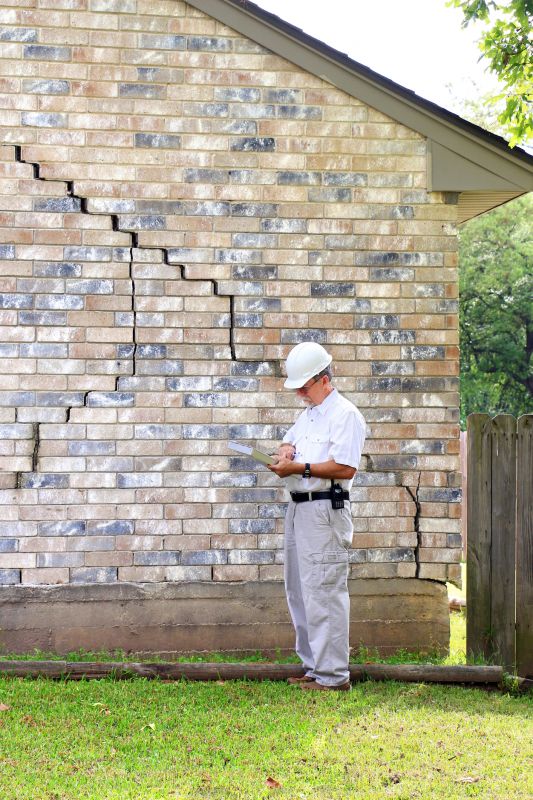


A commercial foundation inspection is a thorough evaluation of the structural base that supports a commercial property, such as office buildings, retail centers, warehouses, or industrial facilities. When people search for this topic, they often want to understand what the inspection process involves, what issues might be uncovered, and how it impacts property maintenance or future planning. The goal of the inspection is to identify signs of foundation problems that could compromise the stability or safety of the building. This process is especially relevant for property owners, developers, or managers who are considering renovations, repairs, or purchasing a property, and need to ensure the foundation is sound before moving forward with their plans.
During a commercial foundation inspection, service providers typically begin with a visual assessment of the exterior and interior of the building. Inspectors look for visible signs of foundation distress, such as cracks in walls or floors, uneven flooring, or doors and windows that don’t close properly. They may also evaluate the condition of the soil around the foundation, checking for issues like erosion, settlement, or poor drainage that could contribute to foundation movement. In some cases, specialized tools or techniques, like measuring the levelness of the structure or probing the soil, are used to gather more detailed information. This comprehensive approach helps identify both obvious and hidden problems that could affect the property’s stability.
The types of properties that typically come up during a commercial foundation inspection include a wide range of structures, from small retail outlets to large industrial complexes. Buildings constructed on uneven or poorly prepared soil are more prone to foundation issues, making inspections particularly important in areas with expansive clay, high water tables, or frequent ground movement. Properties that have experienced recent construction, renovations, or natural events like earthquakes or flooding may also require an inspection to assess potential damage. Whether a property is relatively new or decades old, a foundation inspection can provide valuable insights into its current condition and help guide necessary repairs or preventative measures.
Local service providers who perform commercial foundation inspections play a key role in helping property owners understand their buildings’ structural integrity. They bring practical expertise in identifying issues that might not be immediately visible but could develop into costly problems if left unaddressed. These professionals typically conduct detailed assessments, document their findings, and recommend appropriate next steps-whether that involves repairs, further testing, or ongoing monitoring. For property owners planning upgrades or dealing with existing concerns, connecting with experienced foundation inspectors can provide peace of mind and ensure that any underlying issues are properly managed, supporting the long-term stability and safety of the property.
Soil Testing Services - Soil testing projects require similar planning and analysis techniques to evaluate ground conditions before foundation inspections, helping identify potential issues that could affect stability.
Structural Assessment Projects - Structural assessments involve inspecting building frameworks and load-bearing elements, which aligns with evaluating foundation integrity during commercial inspections.
Drainage Evaluation Services - Drainage evaluation projects focus on assessing water flow and moisture control around structures, an important aspect of foundation health assessments.
Concrete Crack Inspection - Inspecting concrete cracks involves detailed visual and technical evaluations comparable to foundation inspections to detect early signs of damage.
Retaining Wall Inspection - Retaining wall projects require understanding soil and structural stability, skills that are also essential during foundation evaluations.
Site Preparation and Grading Services - Site prep and grading projects involve ground assessment and planning similar to foundation inspections, ensuring proper support and drainage for structures.

When evaluating commercial foundation inspection services, it is important to consider the experience of local contractors with similar projects. An inspection team that has handled commercial properties comparable in size and structure can provide insights tailored to the specific needs of the building. Their familiarity with common foundation issues in similar settings can help ensure a thorough assessment, reducing the risk of overlooked concerns. Homeowners should inquire about the types of properties the service provider has experience with to gauge their expertise and comfort level in addressing the unique aspects of commercial foundations.
Clear, written expectations are a vital part of selecting the right service provider for a foundation inspection. A reputable local contractor should be able to outline what the inspection will cover, including the areas that will be examined and the types of issues they will look for. Having this information documented helps ensure transparency and sets realistic expectations for the inspection process. It also provides a reference point for homeowners to understand what services are included and to compare different providers effectively.
Good communication and reputable references are key indicators of a reliable service provider. Homeowners should seek out local contractors who are known for clear, timely communication and who can provide references from previous commercial clients. Speaking with past customers can offer insights into the contractor’s professionalism, thoroughness, and ability to explain findings in an understandable way. Choosing a provider who values open dialogue and has a history of satisfied clients can contribute to a smoother inspection process and help homeowners feel more confident in the service received.
Property owners often search for what to expect during a commercial foundation inspection when they are planning practical projects around their homes and businesses. Local pros provide Commercial Foundation Inspection services for everyday jobs and straightforward project options.
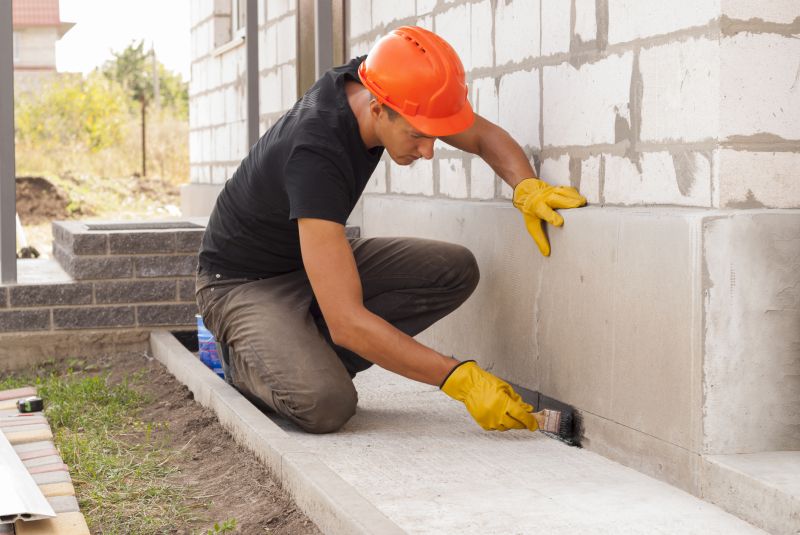
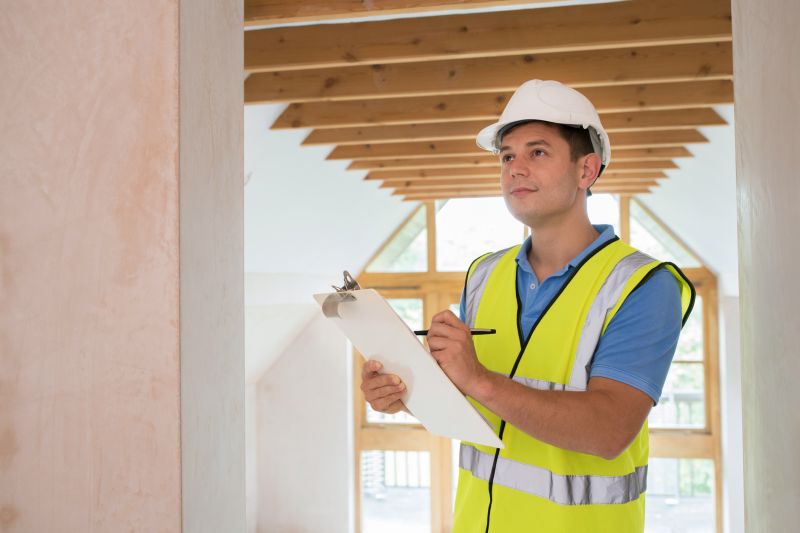
During a commercial foundation inspection, property owners can expect a thorough assessment of the building's structural base. Local contractors typically begin by examining accessible areas both inside and outside the property, looking for signs of issues such as cracks, uneven floors, or shifting walls. They may also use specialized tools to evaluate the condition of the foundation, checking for any indications of settling or moisture problems that could impact the stability of the structure. This process is designed to identify potential concerns early, helping property owners understand the current state of their foundation and whether any repairs or further evaluations might be necessary.
For many property owners, understanding what to expect during a commercial foundation inspection can provide peace of mind and clarity about the health of their investment. Local service providers are equipped to handle these inspections efficiently, offering insights into the foundation's condition based on visual assessments and basic testing. This can be especially valuable for those considering property purchases, planning renovations, or experiencing signs of foundation movement. Connecting with experienced local contractors ensures that the inspection process is comprehensive and that property owners receive reliable information to guide future decisions about their commercial spaces.
What happens during a commercial foundation inspection? During a commercial foundation inspection, service providers examine the structural elements of the building's foundation, looking for signs of damage, cracks, or settling. They may also assess drainage and soil conditions that could affect the foundation's stability.
What should I prepare before a commercial foundation inspection? It is helpful to ensure access to all areas around the foundation and to clear any obstructions. Providing service providers with building plans or previous inspection reports can also facilitate a thorough assessment.
How do local contractors evaluate foundation issues? Local contractors typically perform visual inspections, look for cracks, uneven floors, and other signs of foundation movement, and may use specialized tools to assess soil conditions or structural integrity.
What are common signs of foundation problems during an inspection? Common signs include visible cracks in walls or floors, doors or windows that stick or don’t close properly, and uneven or sloping floors, which service providers will check for during the inspection.
What is the goal of a commercial foundation inspection? The primary goal is to identify any existing or potential issues with the foundation that could affect the safety or stability of the building, enabling property owners to plan appropriate repairs or maintenance with the help of local service providers.
Initial Site Evaluation - Local contractors will assess the property’s foundation and surrounding terrain to identify visible signs of issues that may need further investigation.
Visual Inspection Process - During the inspection, professionals examine cracks, uneven surfaces, and other surface indicators that could signal foundation problems.
Subsurface Testing - Experts may perform tests like soil analysis or probing to understand underground conditions affecting the foundation’s stability.
Reporting and Recommendations - After the inspection, service providers provide a detailed report with findings and suggested next steps to address potential foundation concerns.
If you are thinking about what to expect during a commercial foundation inspection for a property, this guide is meant to help you understand this topic, the typical project types, and how different options might fit your plans.
When you are ready, you can use the quote form on this page to share a few details about your project. From there, local pros can review the basics and follow up with options that match what you have in mind.